By Cynthia Quell-Puches
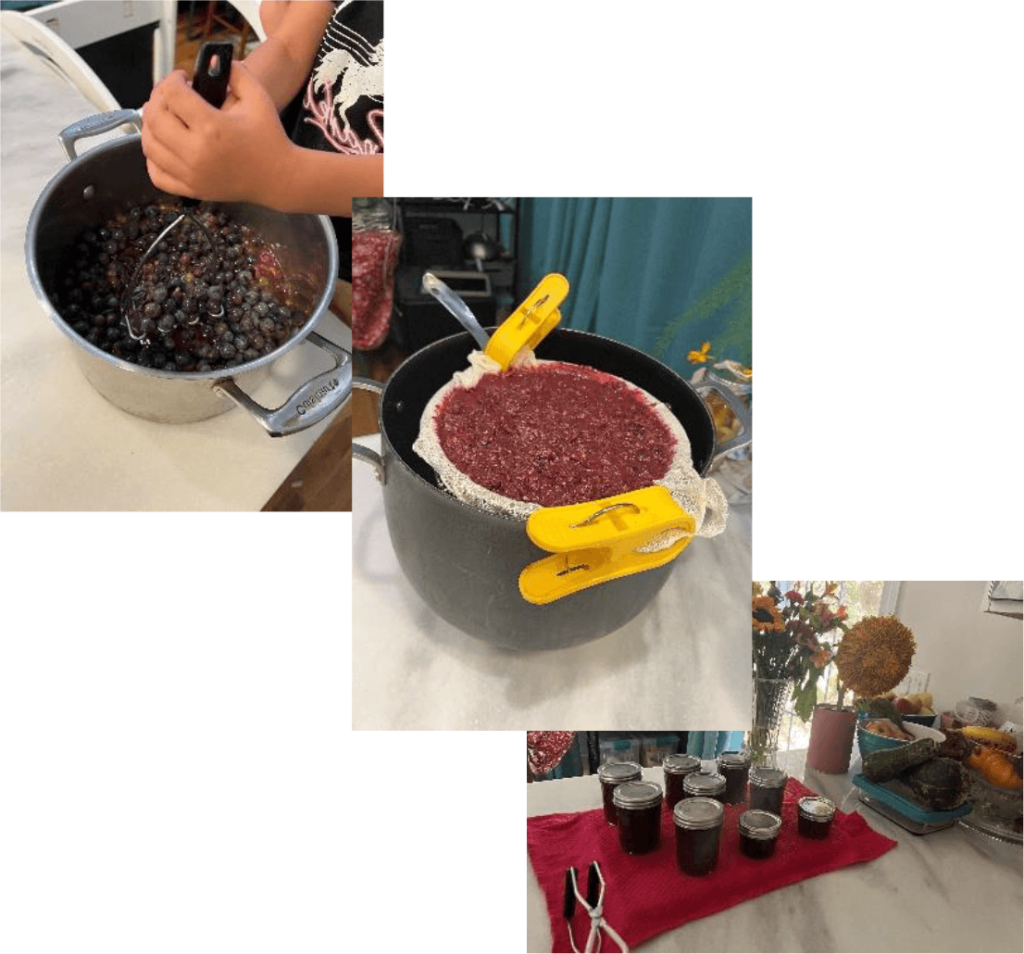
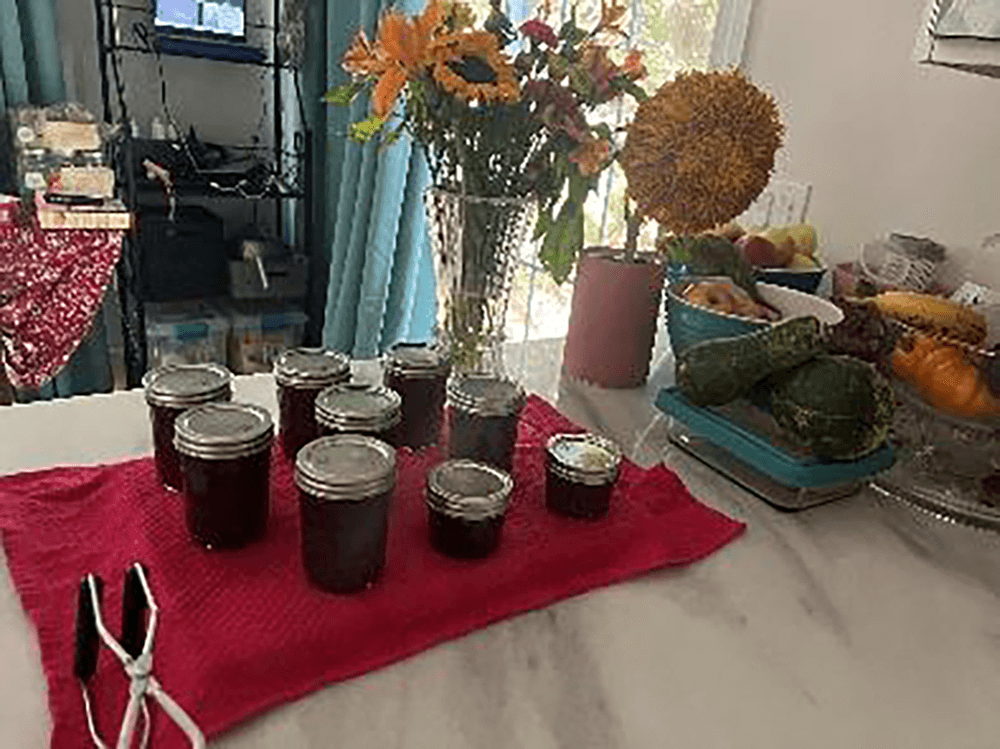
Concord Grapes tend to ripen in Connecticut just in time for the August Fair. Last year, Connecticut grown and harvested grapes made their way to Jelly in a Wilton home. A multi-day project, making grape jelly is a delicious way to study the interesting properties of Grapes. Fun fact, as grape seeds and skins are broken down, a white distillate or crystalline byproduct is left behind, known as tartaric acid. This is commonly seen in jelly making as well as wine making. Tartaric acid is more commonly known as cream of tartar in the baking world and is used to stabilize egg whites, keep syrups from crystallizing and can even prevent discoloration in boiled vegetables! Grape skins or the exocarp, when composted or added to the garden can lower the pH of soil helping “acid loving” plants thrive. There are also tutorials to make your own blue colored dye from Concord grapes, resulting in anthocyanins, or the blue, red, purple colors found in mature fruits, that can be used to dye foods or color liquids. Juiced, fermented, jellied and composted, the Concord grape has much to offer! The link to ct.gov website has information on hardy varieties of grape grown in Connecticut.